Understanding your ovulation cycle is one of the most powerful steps you can take when planning a pregnancy. A key event in this cycle is what doctors often refer to as egg rupture—the moment your ovary releases a mature egg.
This release is a natural part of the fertility process, but few women are aware of the physical signs or what it actually means for their chances of conception. Recognizing these changes can make all the difference when trying to conceive.
Yet, even after a confirmed egg release, some couples find themselves asking—why am I still not pregnant? This is where deeper insights into reproductive health and professional support become essential.
In this blog, we’ll break down everything you need to know: from what egg rupture really is, to how to recognize it, and what options are available if conception doesn’t happen as expected.
We’ll also explore how assisted methods like IVF can help—and why seeking care from a fertility clinic in Bangalore, like Janisthaa IVF, may be your next best step.
For egg rupture confirmed but no pregnancy →
see our complete guide on why pregnancy may not occur after egg rupture.
For symptoms specifically after HCG injection →
see our hour-by-hour HCG injection guide.
What is Egg Rupture?
How Long After HCG Injection Does Egg Rupture Occur?
| HCG Injection | Egg Rupture Timing | Used For |
|---|---|---|
| HCG 5,000 IU | 34–36 hours after injection | IUI, timed intercourse |
| HCG 10,000 IU | 36–40 hours after injection | IVF egg retrieval |
| Ovitrelle (recombinant hCG) | 34–36 hours | IVF, IUI |
Key points:- IUI procedure is performed exactly 36 hours after the HCG injection- IVF egg retrieval is done 34–35 hours after injection — just before natural rupture- If no egg rupture occurs 48+ hours after injection, contact your fertility clinic- About 11% of women may experience Luteinised Unruptured Follicle (LUF) — the follicle does not rupture despite hormonal changes
Learn more : follicular study scanEgg Rupture Meaning in Hindi, Tamil, Telugu & Kannada
For patients searching in their own language — egg rupture means ovulation: the release of a mature egg from the ovary. **Egg rupture meaning in Hindi (अंडा फूटना / Anda Futna):**अंडा फूटना का मतलब है — अंडाशय से एक परिपक्व अंडे का बाहर निकलना। यह ओव्यूलेशन की प्रक्रिया है। HCG इंजेक्शन के 34–36 घंटे बाद अंडा फूटता है।*(Anda futna ka matlab hai — andashay se ek paripakwa ande ka bahar nikalna. HCG injection ke 34–36 ghante baad anda footta hai.)* **Egg rupture meaning in Tamil (கருமுட்டை உடைதல்):**கருமுட்டை உடைதல் என்பது கருப்பையிலிருந்து முதிர்ந்த முட்டை வெளியேறுவது ஆகும். HCG ஊசி போட்டு 34–36 மணி நேரத்தில் இது நடைபெறும். **Egg rupture meaning in Telugu (గుడ్డు పగలడం / అండోత్సర్గం):**గుడ్డు పగలడం అంటే అండాశయం నుండి పరిపక్వ అండం విడుదల అవడం. HCG ఇంజెక్షన్ తర్వాత 34–36 గంటల్లో ఇది జరుగుతుంది. **Egg rupture meaning in Kannada (ಅಂಡಾಣು ಬಿಡುಗಡೆ):**ಅಂಡಾಣು ಬಿಡುಗಡೆ ಎಂದರೆ ಅಂಡಾಶಯದಿಂದ ಪ್ರಬುದ್ಧ ಅಂಡದ ಬಿಡುಗಡೆ. HCG ಚುಚ್ಚುಮದ್ದಿನ 34–36 ಗಂಟೆಗಳ ನಂತರ ಸಂಭವಿಸುತ್ತದೆ.The Ovulation Process Explained
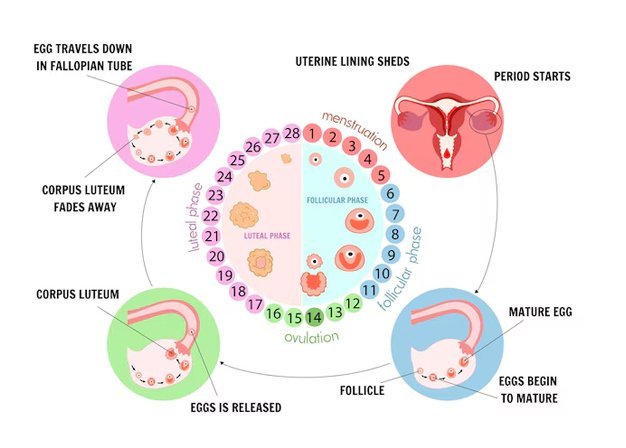
A significant phase in the menstrual cycle involves the release of a fully developed egg from the ovary, typically occurring around the cycle’s midpoint due to hormonal activity by a coordinated surge of fertility-related hormones.
A developing egg is enclosed in a small sac filled with fluid, known as a follicle, where it matures before release. As the follicle grows and reaches optimal size, the body prepares for the next step—egg rupture, which signals the egg is ready for fertilization.
What Happens When an Egg Ruptures?
When the egg breaks free from the follicle wall, it enters the fallopian tube—creating a narrow window for possible conception.Reproductive specialists refer to the release of a mature egg as the point of egg rupture.
After the egg is released, the follicle’s remaining structure forms a short-lived gland called the corpus luteum, which secretes essential reproductive hormones. This structure plays a vital role by releasing progesterone, which prepares the uterine lining to support a pregnancy if fertilization occurs.
The hormonal changes leading to egg rupture are regulated by a surge in luteinizing hormone (LH), and in medically assisted cycles, human chorionic gonadotropin (HCG) is often used to trigger it with precision.

Struggling to Conceive?
Let Dr. Shwetha Help You Take the Right Step Forward
👩⚕️ Fertility Consultation – Get clarity on your chances of conception and understand what’s holding you back.
🧬 IVF & IUI Treatments – Safe, ethical, and high-success fertility treatments with a personalized plan for your body.
💬 Second Opinions – Already undergoing treatment? Get your reports reviewed by an expert with 20+ years of experience.
Symptoms of Egg Rupture
Identifying the indicators of egg release can assist in optimizing the timing for conception or fertility treatments. While the experience varies from person to person, here are some common symptoms reported during ovulation:
🔹 Mild Pelvic Discomfort
- A dull ache or sharp twinge on one side of the lower abdomen, often lasting a few hours.
- This sensation, known as mittelschmerz, may indicate the ovary releasing an egg.
🔹 Light Spotting
- Some women notice a small amount of vaginal discharge tinged with blood.
- This occurs due to follicle rupture or hormonal shifts, and it’s typically harmless.
🔹 Change in Cervical Mucus
- You might notice a thin, elastic, and slick type of discharge, often resembling the texture of uncooked egg whites.
- This is the body’s natural way of supporting sperm movement toward the egg.
🔹 Breast Sensitivity
- Temporary breast tenderness or fullness may occur due to hormonal fluctuations.
- This is a response to the rising levels of progesterone post-ovulation.
🔹 Slight Rise in Body Temperature
- A small increase in basal body temperature (BBT) can be detected the day after ovulation.
- Tracking BBT daily over a few cycles can help confirm if and when egg rupture occurs.
Can You Get Pregnant After Egg Rupture?
Natural Conception Timing
After the egg exits the follicle, it can be fertilized within a limited window of 12 to 24 hours. This short window is considered the most fertile period in the cycle, making timing crucial for conception.
To increase the chances of pregnancy, unprotected intercourse should ideally occur during the few days leading up to and immediately following egg rupture. This is when sperm are likely to be present and active within the reproductive tract, waiting to fertilize the egg.
Monitoring ovulation using tools like follicular scans, ovulation predictor kits, or hormone tracking (such as LH or HCG levels) can help couples plan more accurately within the fertility cycle.
Read more : beta hCG test after IUI or embryo transfer
Why Pregnancy May Not Occur Even After Egg Rupture
Despite correct timing and confirmed ovulation, pregnancy doesn’t always happen right away. Several hidden issues might be affecting the chances of conception..
- Sperm Quality: Low motility or abnormal morphology may prevent sperm from reaching or fertilizing the egg.
- Blocked Fallopian Tubes: Even if an egg is released, a blockage can stop it from meeting the sperm or reaching the uterus.
- Hormonal Disorders (e.g., PCOS): Conditions like polycystic ovary syndrome can affect both the release and quality of eggs, as well as disrupt the balance of hormones required for successful implantation.
- Uterine Factors: In some cases, abnormalities in the uterine lining or structure may hinder the embryo from implanting even after fertilization.
If repeated cycles show evidence of ovulation without pregnancy, it’s recommended to seek a fertility evaluation to identify and address potential barriers.
Read Also:
8 Essential Signs of Healthy Sperm: What Every Man Should Know
Blocked Fallopian Tubes: Causes, Symptoms & IVF Options
What to Do If You're Not Conceiving Post-Ovulation
When to See a Fertility Specialist
If several months of timed intercourse after confirmed ovulation don’t lead to pregnancy, it may be time to consult a fertility expert. Age, medical history, and menstrual regularity also influence when to seek help.
Couples under 35 are usually advised to try for a year before testing, while those over 35 may benefit from an earlier evaluation—especially if ovulation appears normal but conception isn’t occurring.
Tests You Might Need
A fertility workup helps identify hidden issues that may be affecting conception, even after successful egg rupture.
- Hormone Assessments: Blood tests to evaluate LH, FSH, estrogen, AMH, thyroid, and prolactin levels.
- Follicular Scans: Ultrasound monitoring to track follicle growth and confirm ovulation patterns.
- Sperm testing is done to evaluate concentration, movement ability, and structural health of the sperm cells.
- Tube Patency Tests (e.g., HSG): To ensure fallopian tubes are open and functional.
- Uterine Evaluation: Scans or hysteroscopy to rule out polyps, fibroids, or uterine lining issues.
Get a personalized fertility assessment with advanced diagnostics and guidance from our expert team.
IVF Treatment After Egg Rupture
How IVF Helps in Cases of Failed Natural Conception
When egg rupture is occurring regularly but fertilization or implantation isn’t successful, In Vitro Fertilization (IVF) may offer a higher chance of success.
IVF bypasses many biological barriers—like blocked tubes, low sperm quality, or hostile cervical mucus—by retrieving mature eggs and combining them with sperm in a lab setting.It allows precise management of every stage involved in achieving pregnancy.
Patients who have not conceived despite normal ovulation cycles may benefit from IVF, especially if other fertility factors are involved.
IVF Process Briefly Explained
- Ovarian Stimulation: Hormonal injections are given to mature multiple follicles.
- Egg Retrieval: Fully developed eggs are gently extracted through a low-risk, outpatient technique.
- Fertilization:In a laboratory setting, eggs are combined with sperm under carefully monitored conditions to enable Fertilization.
- Embryo Transfer: One or more embryos are placed into the uterus after monitoring their growth.
- Pregnancy Testing: A beta-hCG test confirms whether implantation has occurred.
Read more:
What Are the Different Stages of the IVF Process?
At Janisthaa IVF treatment cost in Bangalore, the entire process is closely monitored to improve outcomes and support couples through each stage with compassion and care.
Why Choose Janisthaa IVF for Fertility Care in Bangalore?
Our Specialized Approach to Ovulation Monitoring
At Janisthaa IVF, tailored monitoring plays a vital role in guiding fertility treatments, especially when assessing ovulation timing. Each patient undergoes detailed cycle tracking, including hormone assessments and follicular scans, to ensure ovulation is timed optimally.
Our personalized protocols take into account past cycle data, patient history, and hormone levels, which allows us to identify the ideal window for natural conception or embryo transfer. This level of customization significantly improves the chances of successful pregnancy, especially for those who have experienced repeated cycles of egg rupture without conception.
Cutting-Edge Fertility Solutions Guided by Dr. Shwetha’s Expertise
Leading our fertility team is Dr. Shwetha Y Baratikkae, an experienced obstetrician and gynecologist with over 15 years of dedicated work in reproductive medicine.She blends evidence-based fertility treatments with personalized attention and compassionate guidance.
She specializes in treating complex fertility conditions including PCOS, endometriosis, recurrent IVF failures, and egg quality issues. With thousands of successful outcomes under her care, Dr. Shwetha is well-regarded across Bangalore’s fertility field for her expertise and consistent results in helping individuals achieve successful fertility outcomes.
Let me know if you’d like a version that emphasizes credentials or experience further.
Janisthaa IVF is equipped with advanced fertility technology, from high-resolution ultrasound systems to precise embryo culture environments, ensuring every patient receives world-class treatment with a local touch.
If you’ve experienced repeated ovulation without results, or you’re exploring fertility treatment options in Bangalore, now is the time to act.The team at Janisthaa IVF supports you at every stage from initial evaluation to personalized care ensuring clarity and empathy throughout.
💬 Schedule your visit today and move ahead with assurance toward starting your family.
📞 Schedule Your Appointment – Begin Your Path to Becoming a Parent.
Conclusion
Understanding egg rupture and its role in the fertility cycle is crucial for anyone trying to conceive. From tracking ovulation to recognizing symptoms, being aware of these signals can help optimize timing and improve your chances of pregnancy.
However, if conception doesn’t occur despite regular cycles and properly timed intercourse, it may point to deeper reproductive challenges that require medical evaluation.
Janisthaa IVF provides complete reproductive evaluations, tailored cycle tracking, and modern fertility solutions, all led by an experienced medical team.
💬 Reserve your consultation today and move ahead with assurance on your journey to becoming a parent.
FAQs
1.How long after HCG injection does egg rupture occur?
2. What are the symptoms of egg rupture after HCG injection?
3. Does egg rupture always mean ovulation has happened?
4. Egg rupture ke baad pregnancy kaise hoti hai?
5.What size follicle is needed for egg rupture?
6. What to do if egg rupture happened but there is no pregnancy?
Medically reviewed by Dr. Shwetha Y Baratikkae,
IVF Specialist & Obstetrician-Gynaecologist — Janisthaa IVF Center Bangalore |